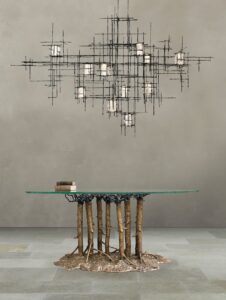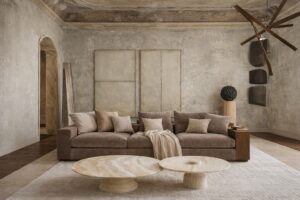
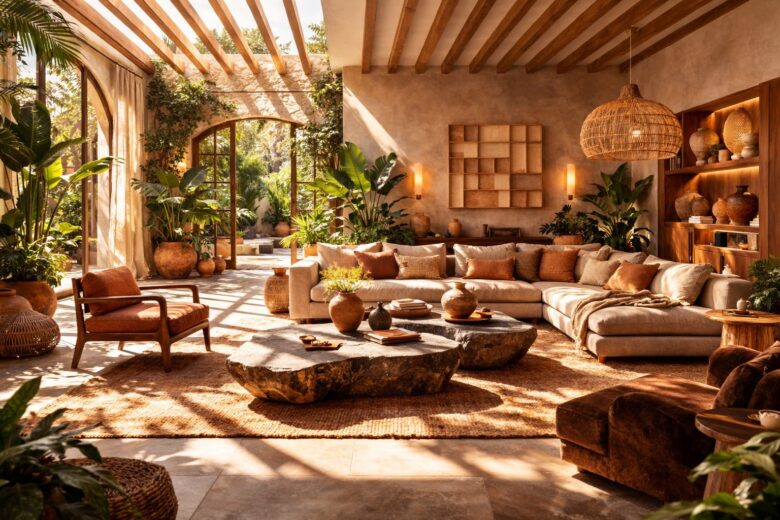
As we roll into 2026, interiors are having a bit of a reckoning. The glossy, over-styled, mass-produced look is quietly losing its grip, replaced by spaces that feel more sculpted, more tactile, and—finally—more human. Perfection is out. Presence is in. Design is shifting away from shine-for-the-sake-of-shine and toward materials, textures, and atmospheres that actually make you feel something.
Working daily with textures, emerging materials, and thoughtful design elements, we’ve been backing restraint and material honesty long before they were dressed up as buzzwords. So when “2026 trends” enter the conversation, what’s really happening is the industry catching its breath—relearning the value of craftsmanship, finding confidence in imperfection, and remembering that true, lasting beauty has never needed to shout.
1-Form Over Noise
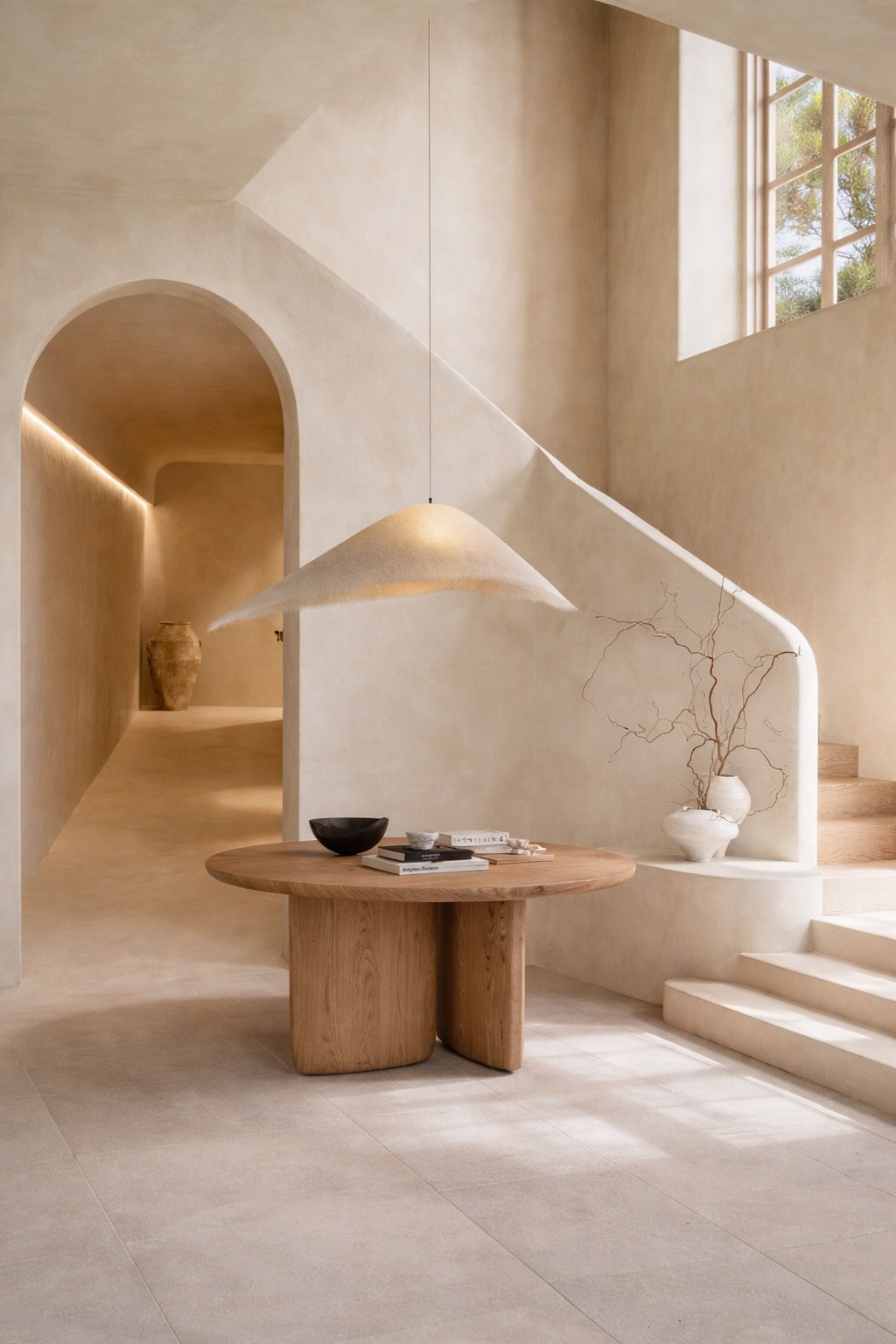
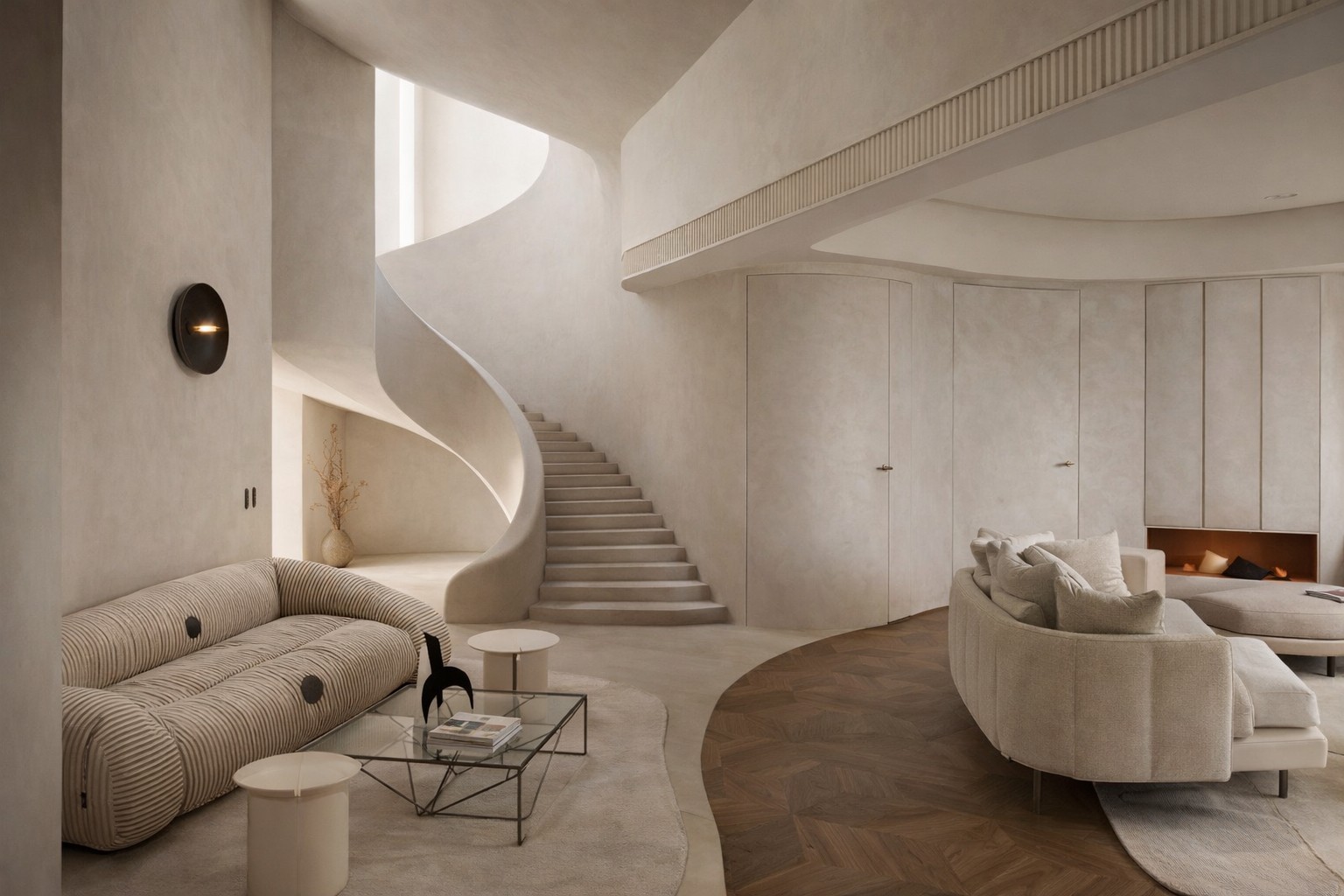
This is quiet luxury: not loud, not decorative, and never flat. Minimalism has shifted from absence to intention, where form does the heavy lifting. Curved partitions soften the space, corners melt away, built-ins disappear into the architecture, and monolithic micro-cement volumes feel sculpted rather than styled. The impact isn’t in opulence, but in silhouettes, proportions, and the quiet play of light and shadow.
2-Elevated Sensory Design
Interiors in 2026 are defined less by form and more by surface intelligence. Materials lead the narrative: ribbed timber, bouclé, ridged stone, nuanced lime finishes, and tactile microcement that register visually from across the room. Through layered decorative limes and softly burnished microcement, spaces gain depth, restraint, and a deliberate natural imperfection—creating atmospheres that feel grounded, expressive, and quietly sophisticated.
3-Textural Abundance
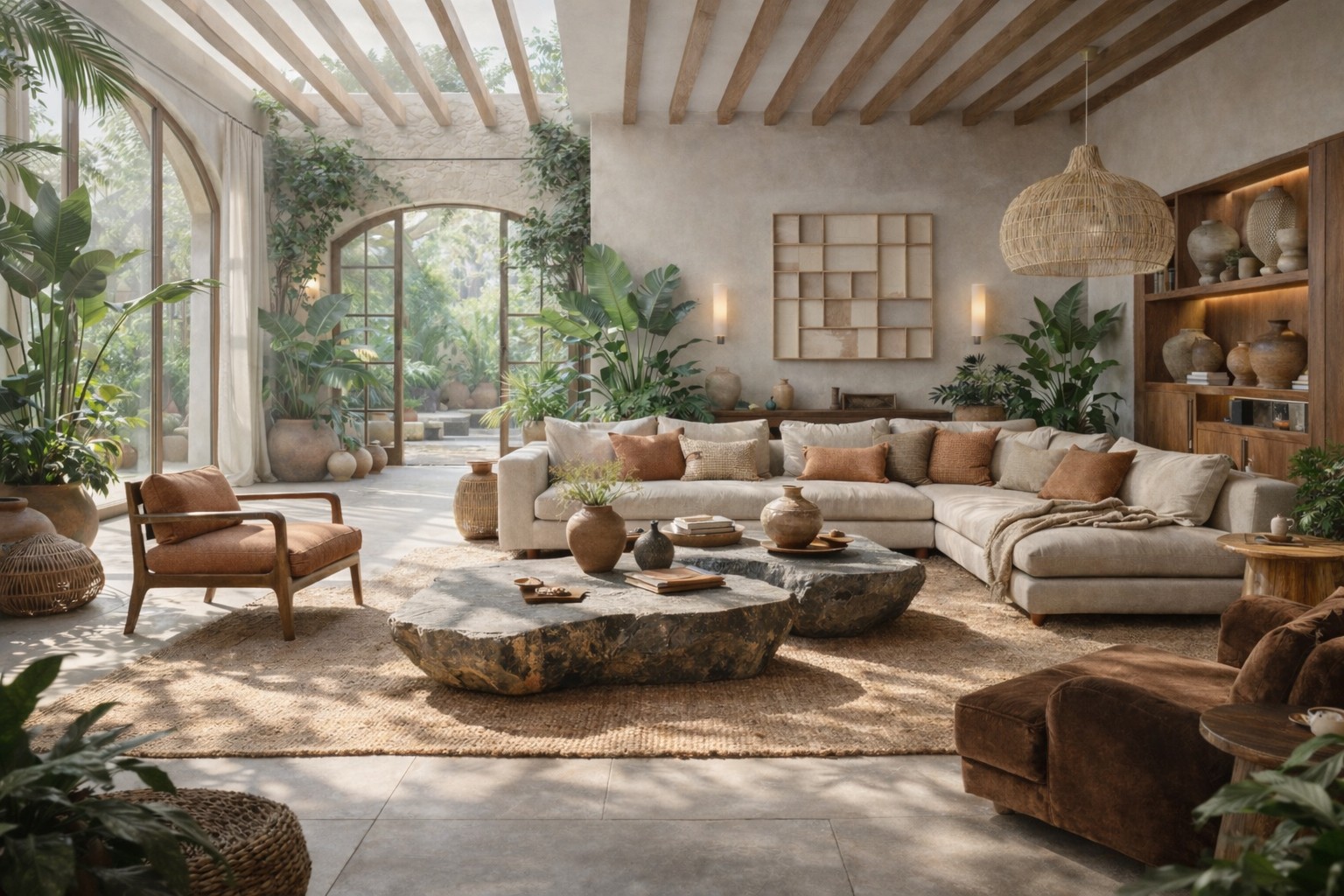
Bold without being loud, earthy maximalism finds its confidence in nature, not excess. Lime paint leads the charge, keeping saturated, expressive hues soft, matte, and quietly atmospheric. Around it, layers build: clay tones, olive greens, oxidized reds, veined stone, hammered metal, woven fibers—an abundance that reads intentional. Less a rejection of minimalism than its counterpoint, this is richness with restraint, grounded and unapologetically tactile.
4-A New Era of Artistry
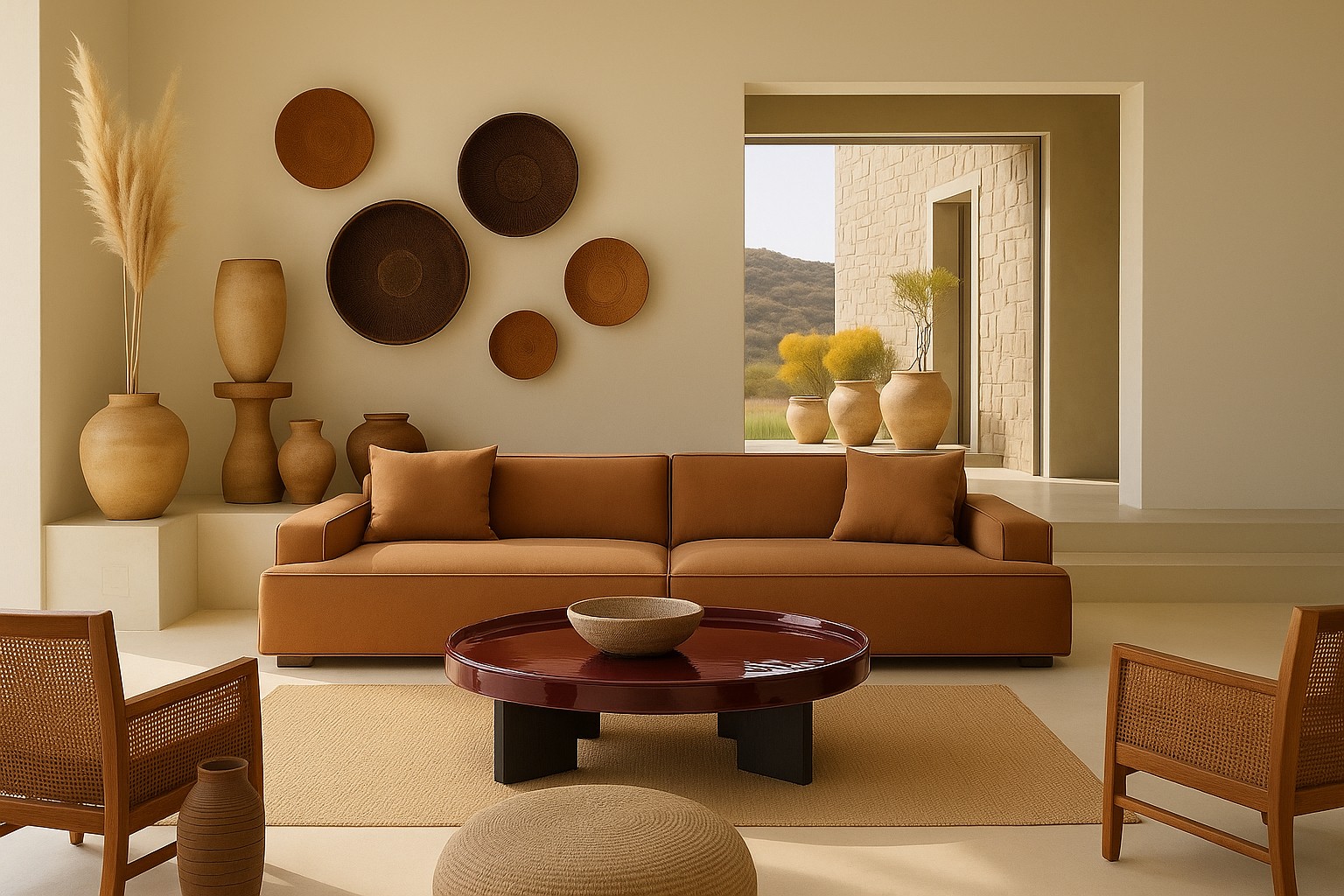
In 2026, design is rediscovering its hands. The conversation has shifted toward the handmade, the imperfect, the quietly storied — where hand-applied lime finishes, artisanal ceramics, sculptural lighting, and microcement furniture blur the line between craft and contemporary. This is precisely where our work belongs: never industrial, never mechanical, and intentionally resistant to uniformity. Each finish carries the subtle marks of making, a reminder that authenticity now outweighs polish, and that the most compelling spaces are shaped by human touch rather than flawless repetition.
5-Chromatic Continuum
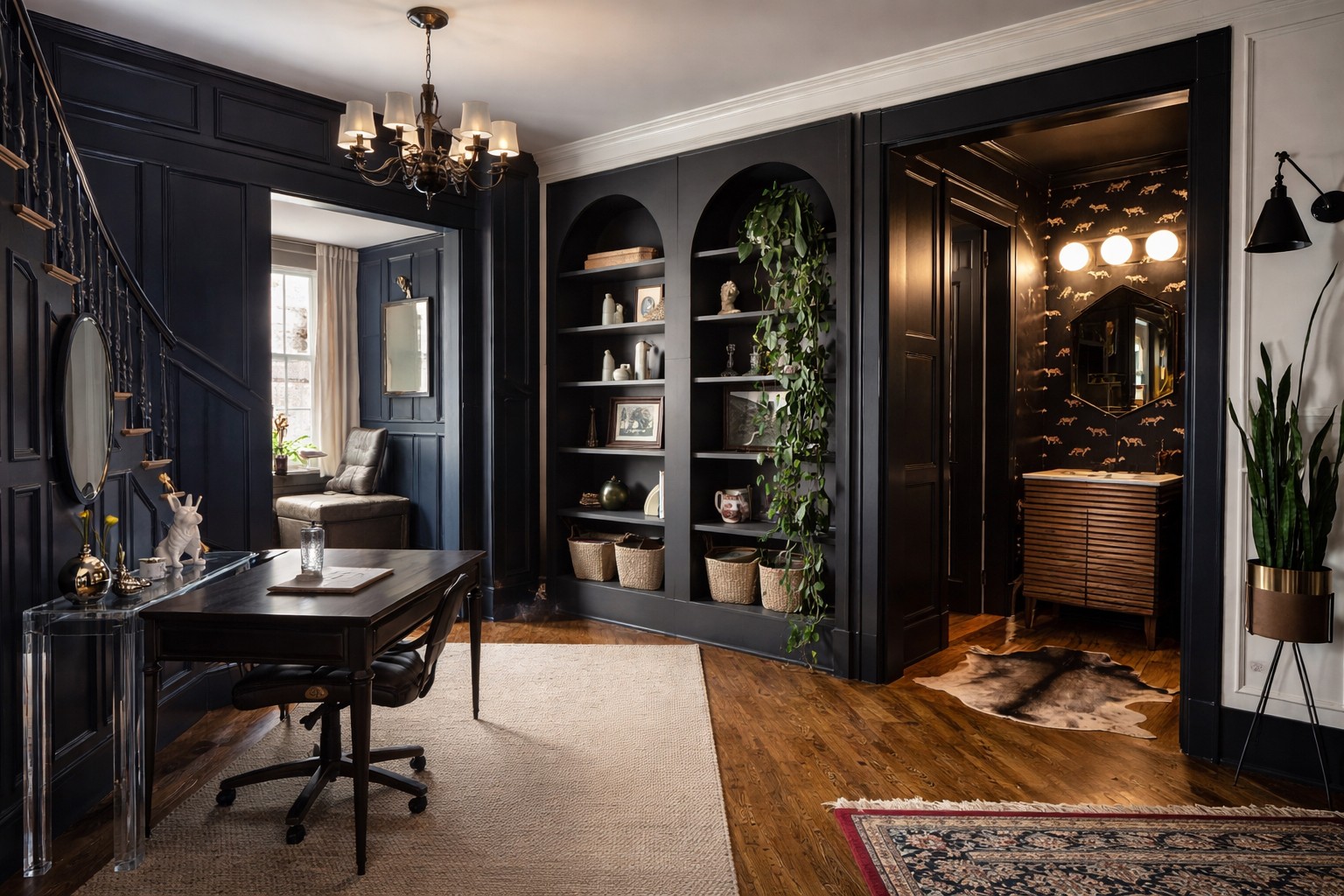
Tonal paint has quietly become the editorial darling of 2026. Its mineral depth, soft shadowing, and velvety matte finish give even a single colour a sense of movement and atmosphere. This is the essence of chromatic immersion: spaces that feel cocooned rather than coated, where colour, texture, and light merge into one continuous mood. In place of flat, predictable monochromes, interiors now trade surface-level simplicity for rooms that feel layered, immersive, and emotionally tuned.
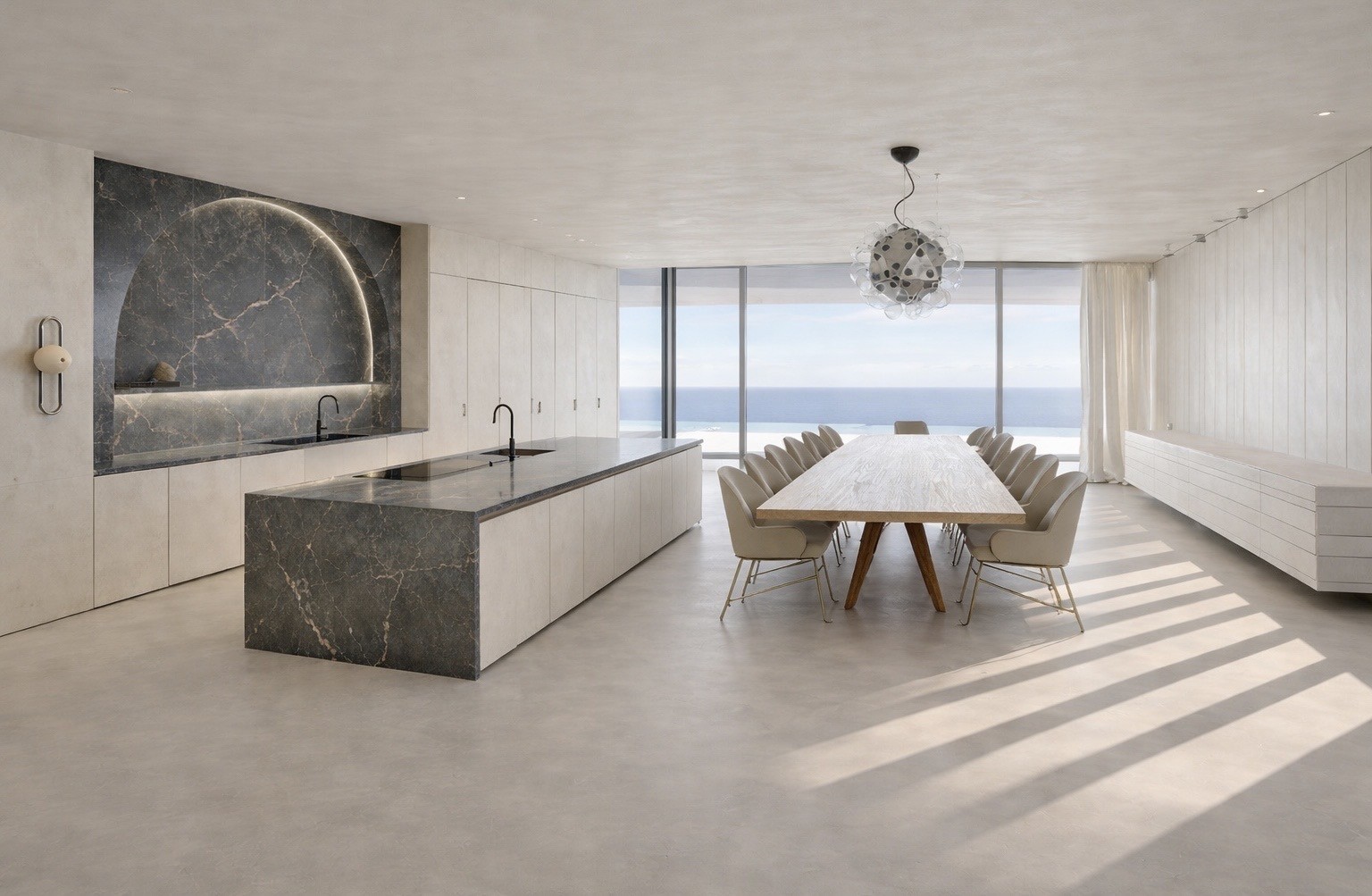
6- Mineral Maximalism
Stone is getting bolder — veining turned up, slabs supersized, geological drama on full display. Mineral surfaces with attitude are everywhere. Then microcement slips in, quietly stealing the scene: seamless, sculptural, and just as expressive, but without the visual shouting. It delivers the same gravitas, only refined — proof that sometimes the most powerful statement is the one that doesn’t try so hard.
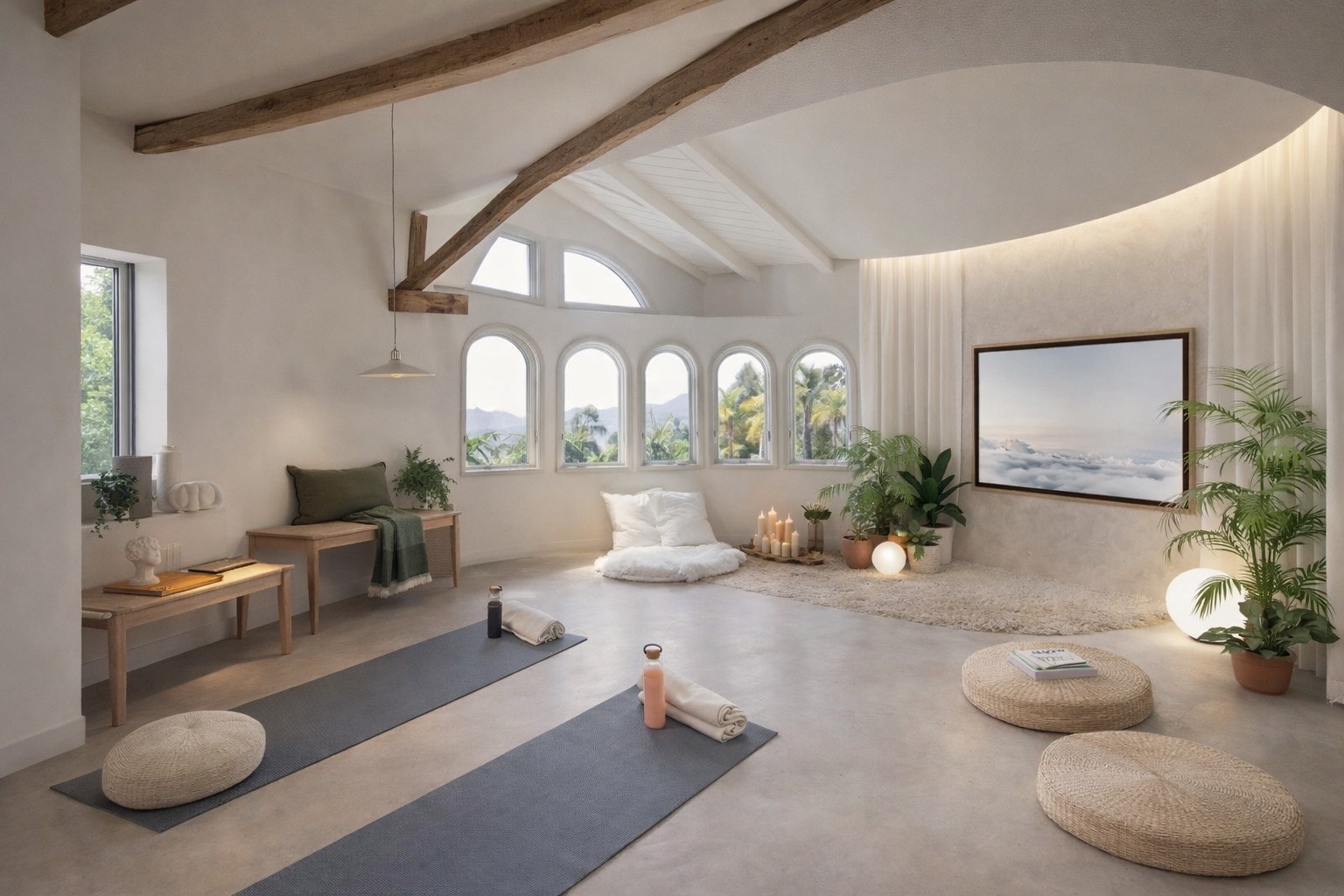
7-Wellness, Built In
Wellbeing is no longer a side note — it’s the brief. Designers are shaping interiors that breathe better, feel calmer, and rely on natural materials to do the heavy lifting. Tonal, breathable paints lead the charge, regulating moisture and creating spaces that are as healthy as they are comfortable. Microcement follows with a quieter confidence: seamless, low-VOC, and deliberately uncluttered. Together, they create interiors that age gracefully, feel grounded under hand and foot, and prove that sensory wellness doesn’t need to announce itself to be felt.
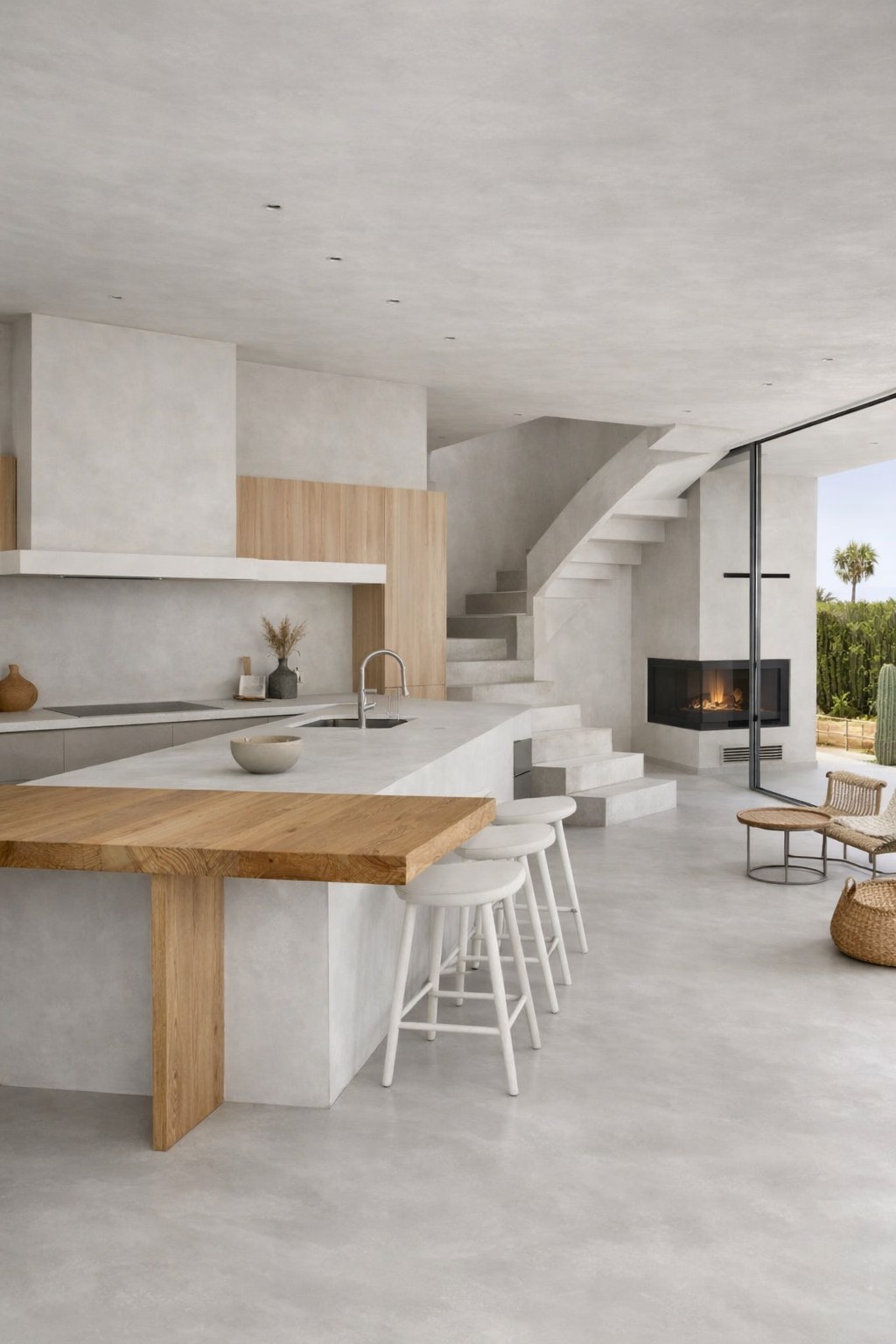
8-Monolithic, Not Monotonous
Microcement takes center stage — uninterrupted, seamless, and refreshingly free of visual noise. With no grout lines and no clutter, it allows form and flow to do the talking. Around it, bathrooms, kitchens, fireplaces, and staircases are increasingly conceived as continuous material compositions, wrapped in a single surface to create spaces that feel sculptural, composed, and quietly gallery-like.
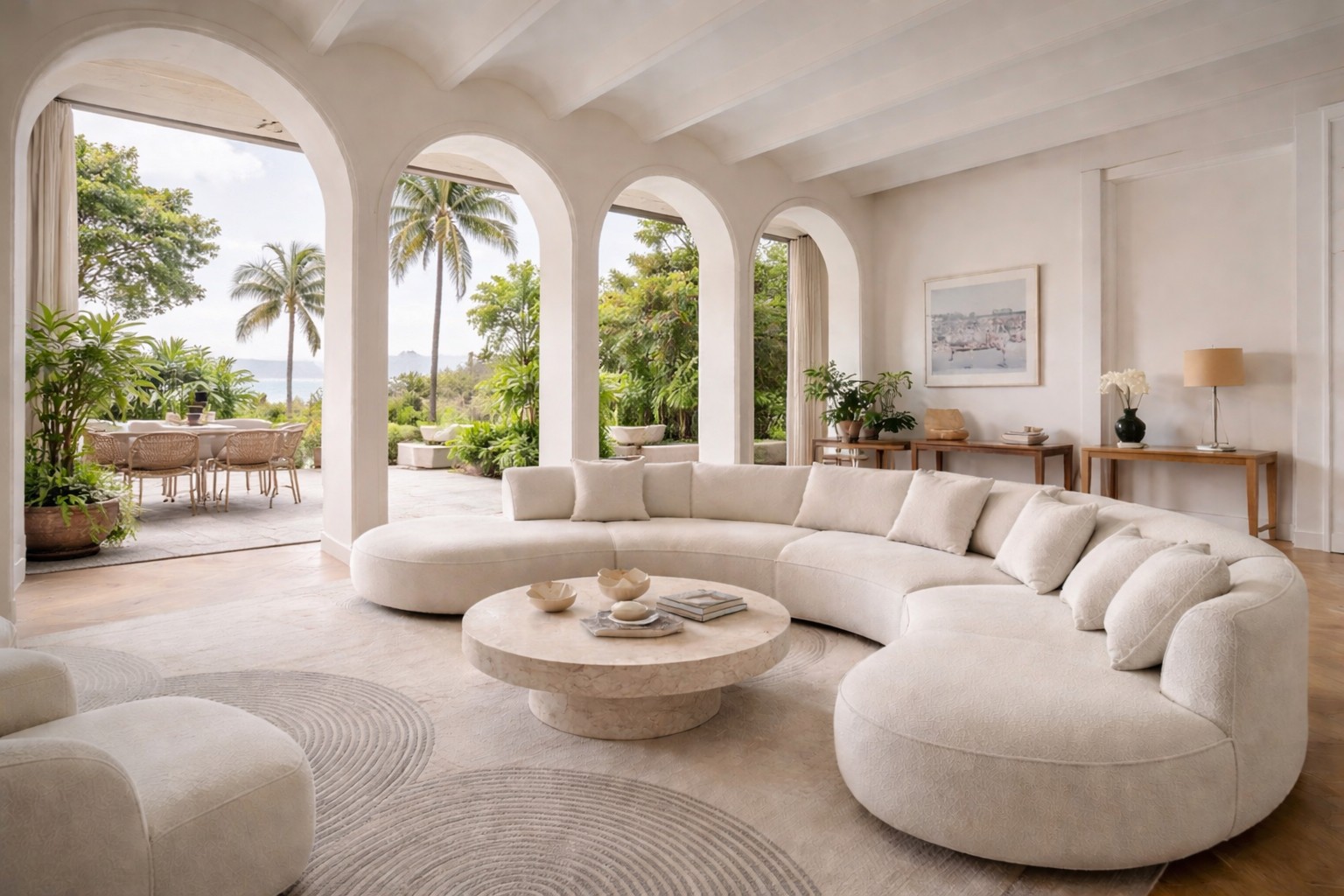
9-Sculpted Volumes and Soft Transitions
By 2026, interiors are easing out of their orthogonal obsession. Arches, rounded walls, monolithic basins, barrel-vaulted ceilings, and even cloud-like sofas introduce a softer spatial grammar, deliberately undoing decades of straight-line rigidity. Mineral finishes sharpen this shift: paint applied to a curved wall or framing an arched opening reads less as surface and more as sculpted mass. Wrap a microcement bench in a gentle radius and the line between architecture and art quietly disappears.
10-Design with Ancestry
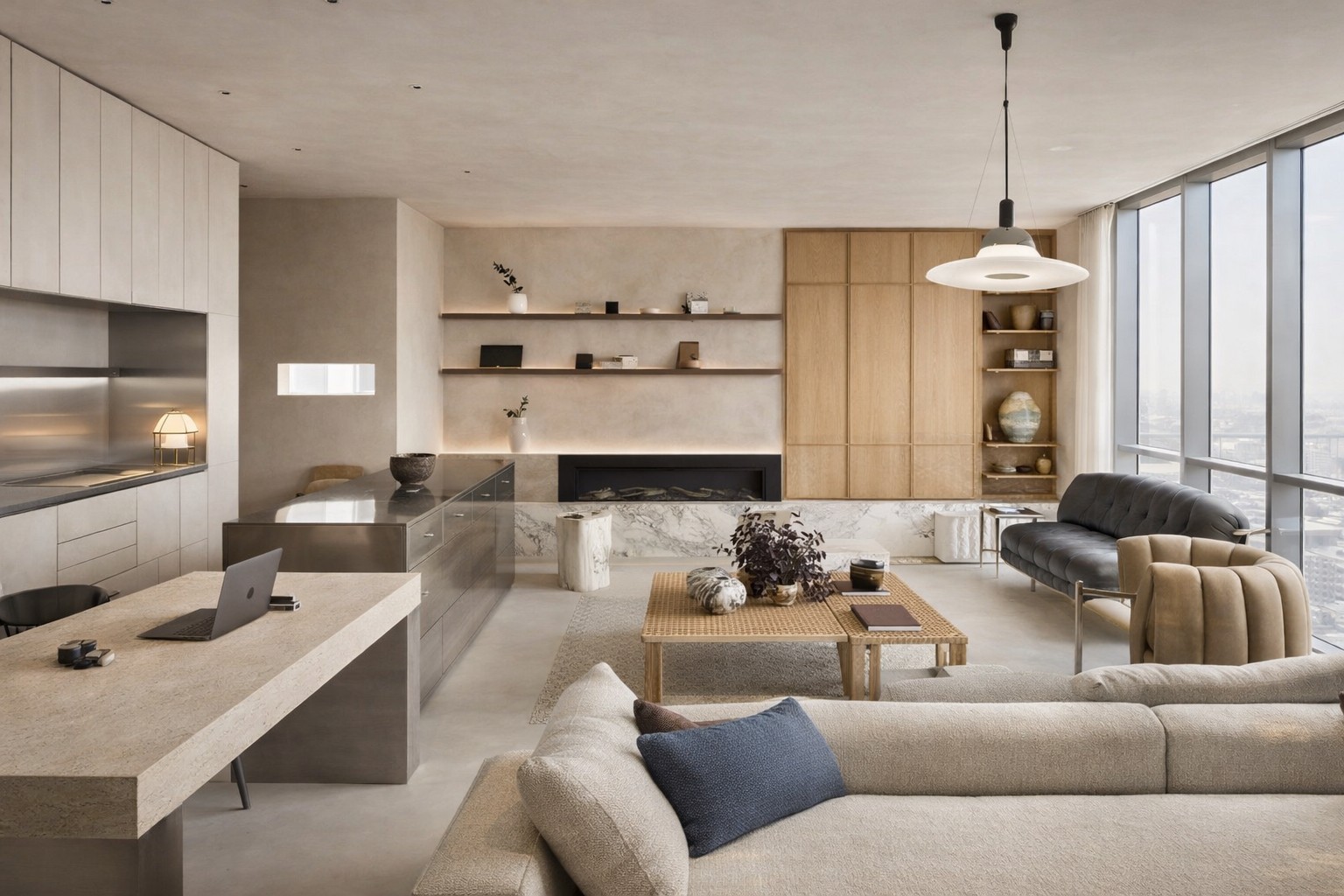
Interiors are becoming more well-traveled and better edited. Heritage, craftsmanship, furniture and personal narrative are being layered with intent — not as decoration, but as structure. This isn’t maximalism; it’s curation. Pieces are chosen for their lineage, their patina, their reason for being there. Lime and microcement hold it all together, acting as quiet architectural backdrops that let objects, memories, and meaning take center stage without competing for attention.
Closing Notes
If sustainability set the foundation, 2026 builds the atmosphere. Homes are no longer just responsible — they’re sensual, sculptural, and emotionally switched on. For us, this isn’t a pivot but a continuation: materials matter, craftsmanship is culture, and good architecture should breathe, live, and age well. The return to mineral textures, handcrafted surfaces, warm minimalism, and natural palettes simply reflects what we do every day, the spirit of 2026 isn’t applied — it’s built in.