An insider’s guide to the new language of high-end living.
Luxury furniture buyers in 2026 are no longer chasing logos or trends—they’re investing in feeling, intelligence, and longevity. The market has matured. Clients are more informed, more global, and far more intentional. Whether they’re private homeowners, developers, or boutique hoteliers, their expectations have evolved—and so has the definition of luxury.
Here’s what truly matters now…
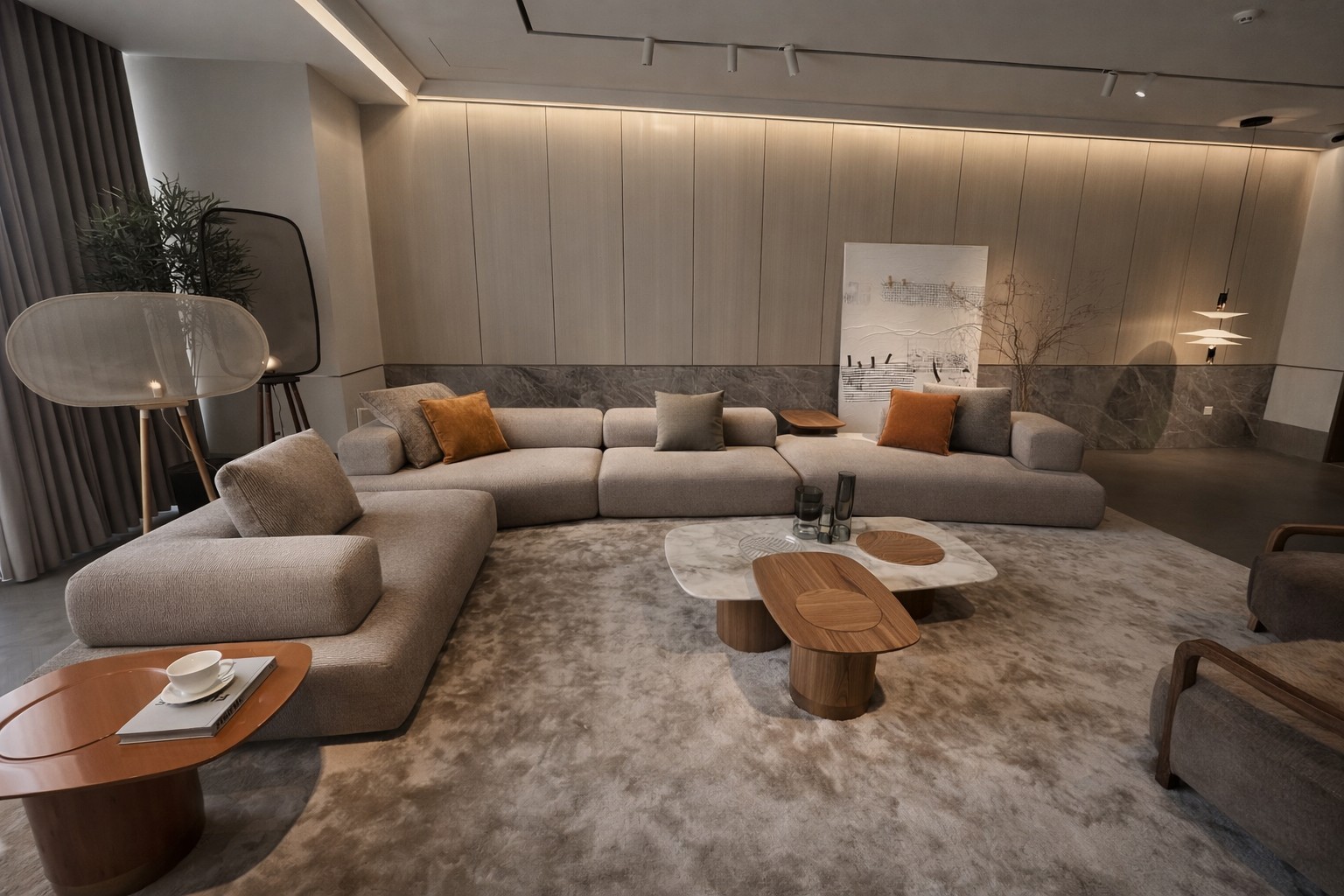
1. Quiet Luxury, Not Loud Statements
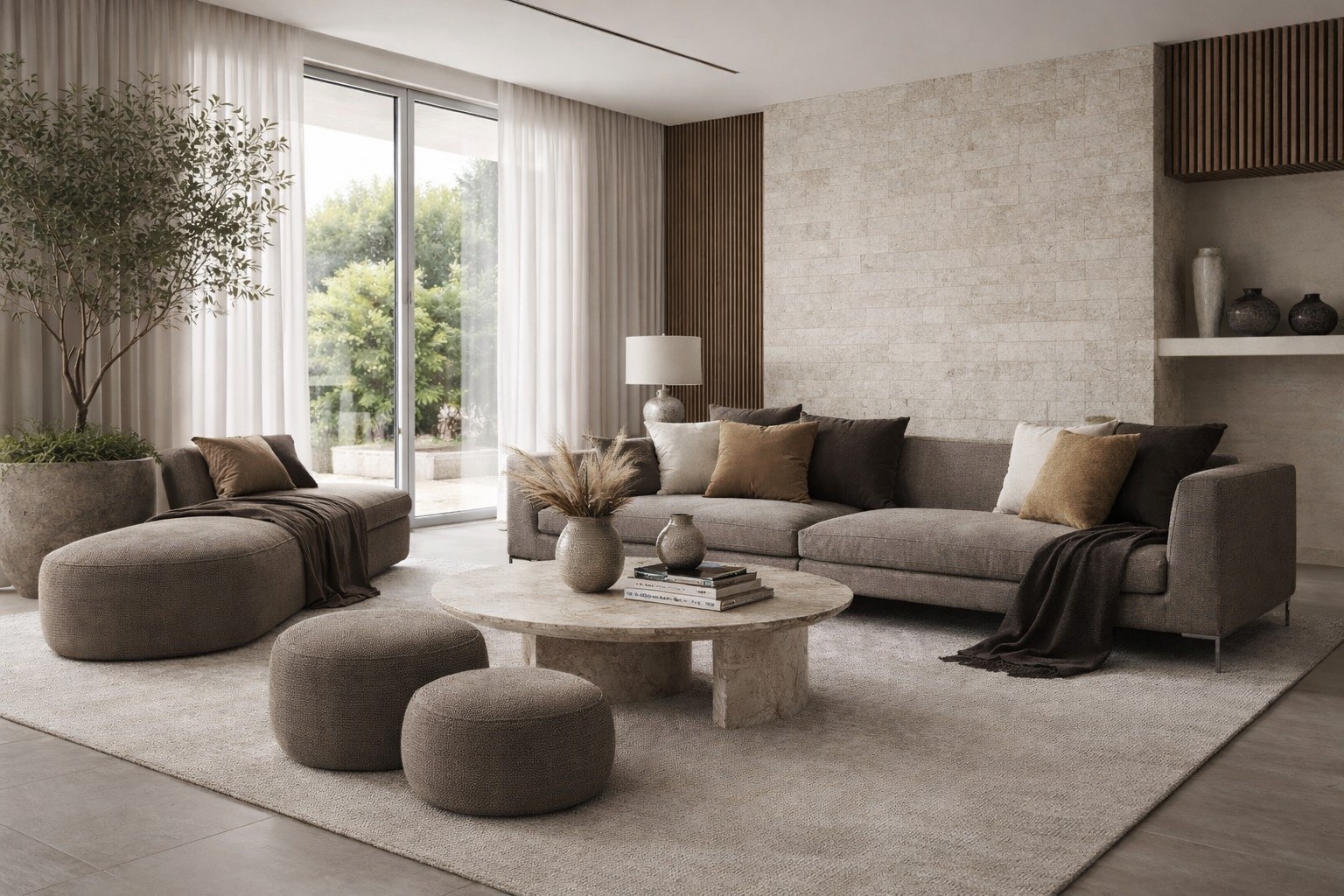
In 2026, luxury whispers. Buyers favor understated elegance over obvious branding—spaces that feel architectural, calm, and deeply considered….Think:
• Soft neutrals (ivory, taupe, warm greige, clay)
• Seamless proportions and low visual noise
• Furniture that belongs to the space, not competes with it
The influence of brands like Minotti and B&B Italia remains strong—but filtered through a more personal, less showroom-perfect lens.
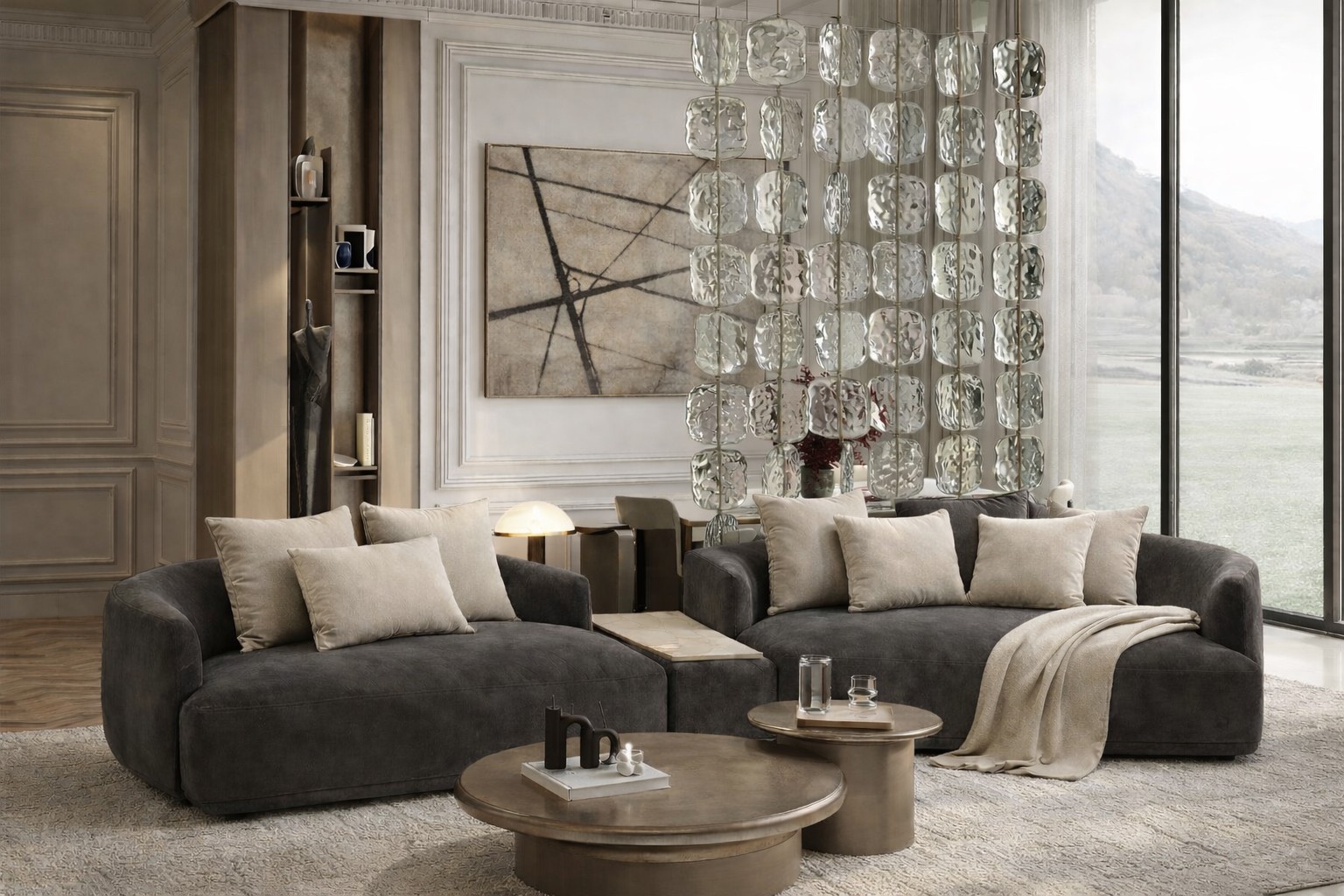
2. Tactile Materials & Honest Textures
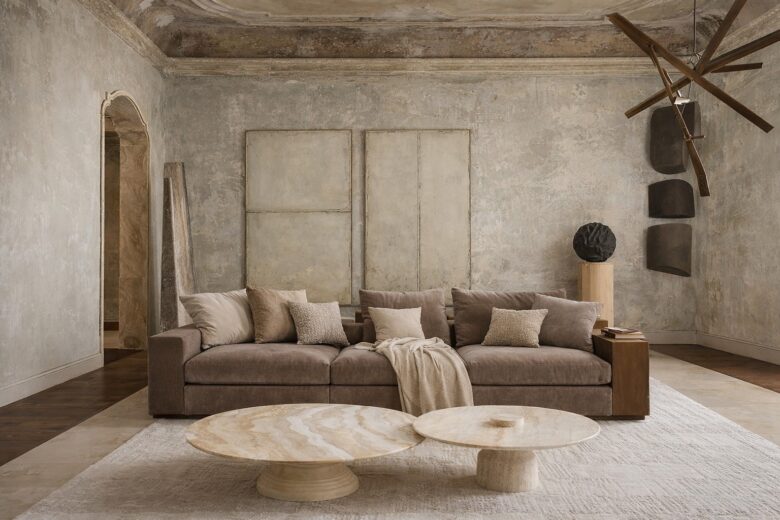
Luxury buyers want to feel quality before they see it. Texture has become emotional currency. Top material preferences:
• Strongly textured bouclé, linen blends, brushed velvets
• Full-grain or nubuck leather with visible character
• Natural stone, travertine, walnut, oak—used authentically
Perfectly smooth, over-polished finishes feel dated. Slight irregularities signal craftsmanship and soul.
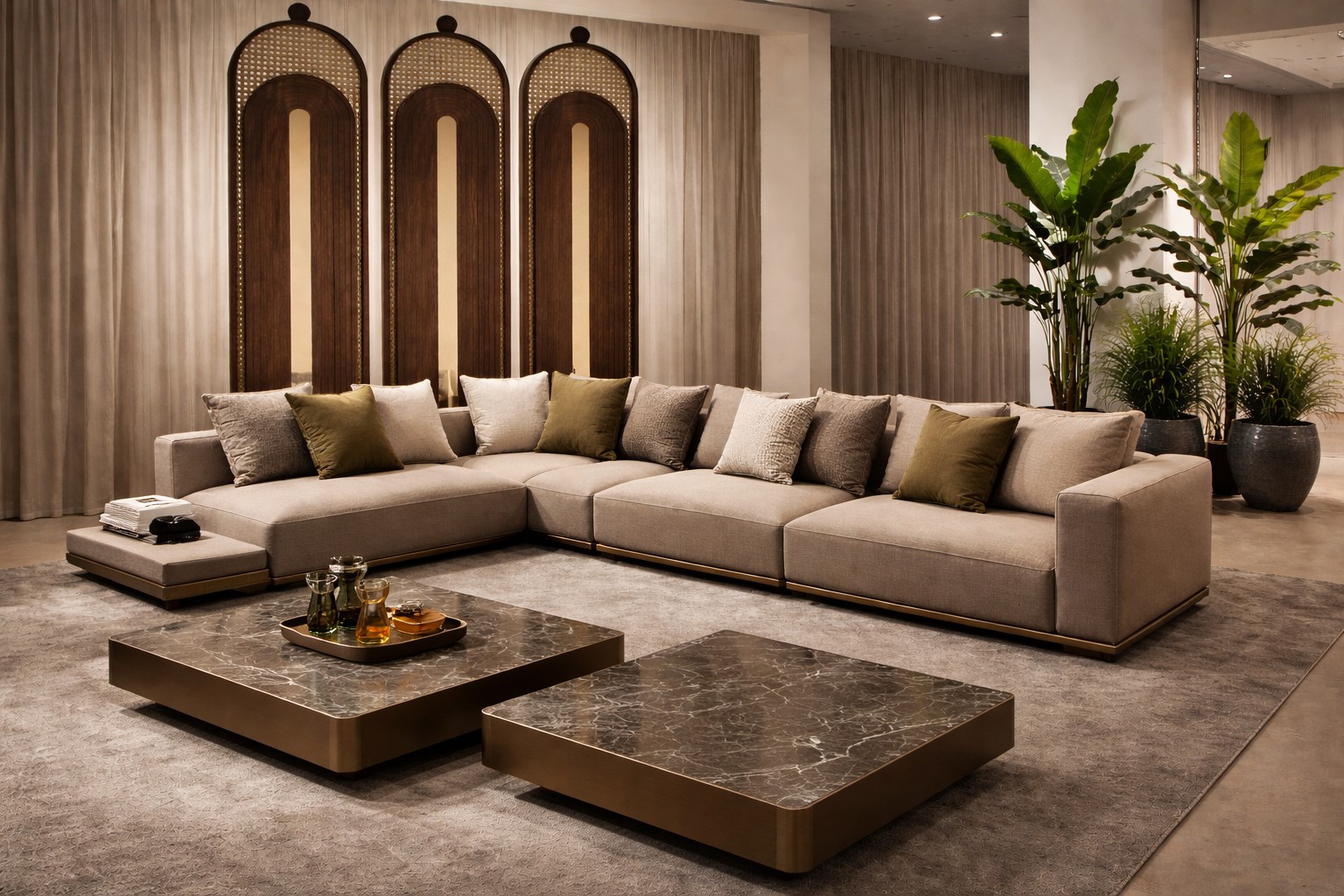
3. Architectural Design Over Decoration
Furniture is increasingly viewed as micro-architecture. Buyers look for pieces that hold structure, rhythm, and balance—especially in open-plan homes.
What resonates:
• Low, grounded silhouettes
• Integrated bases, floating effects, sculptural legs
• Sofas and beds that define zones, not just fill them
Decorative excess is out. Purposeful geometry is in.
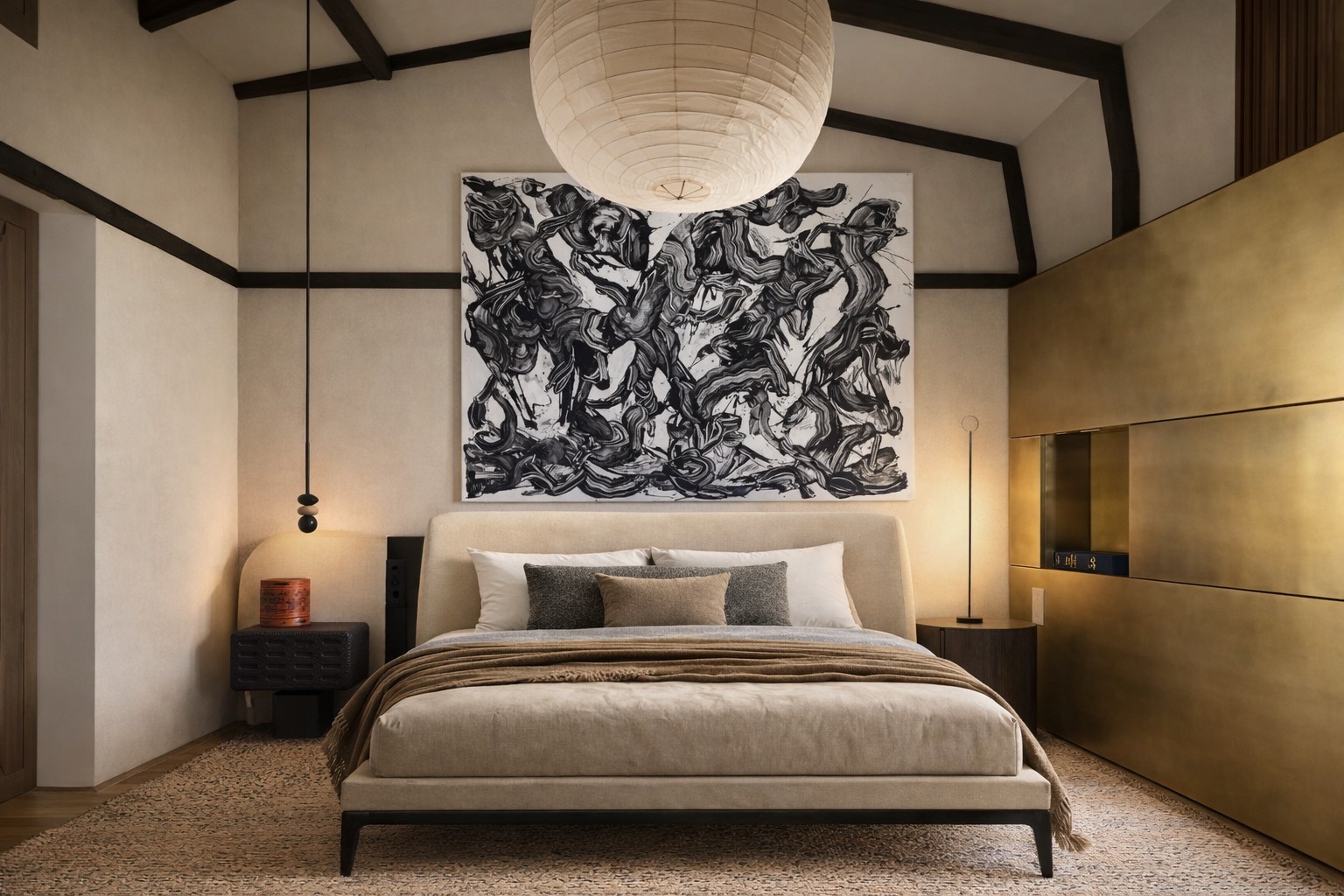
4. Customization as a Baseline
Expectation In 2026, customization is no longer a premium—it’s assumed. Buyers expect:
• Modular systems with flexible configurations
• Choice of upholstery, stitching, depth, firmness
• Adaptability for apartments, villas, yachts, and hospitality
Luxury now means made for me, not just made well.
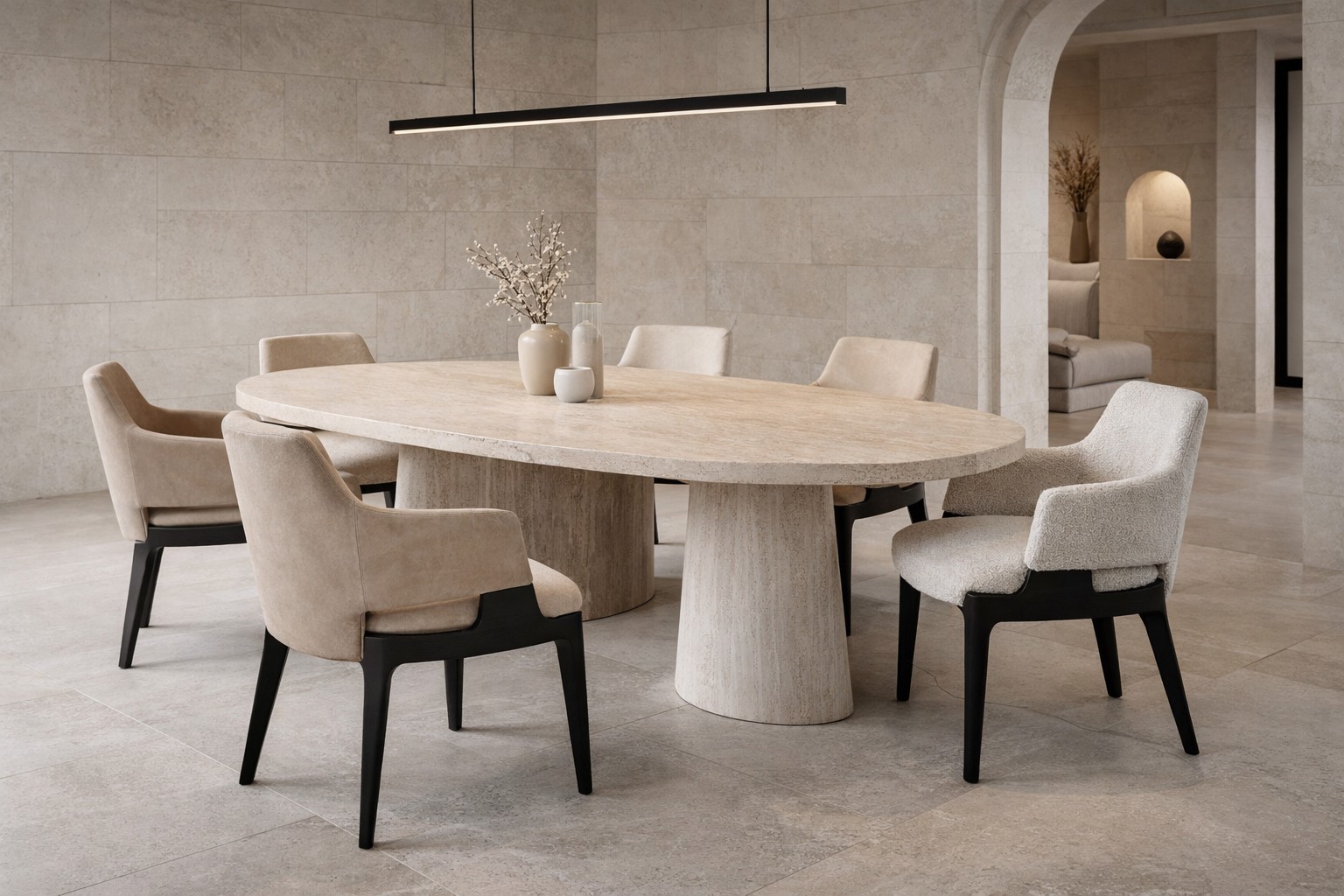
5. Sustainability Without the Marketing Noise
Today’s luxury client is eco-aware—but skeptical. They want sustainability embedded, not advertised. They look for:
• Durable construction designed to last decades
• Responsibly sourced woods and leathers
• Regional manufacturing transparency (Italy, Vietnam, Portugal, etc.)
True luxury is furniture that doesn’t need replacing.
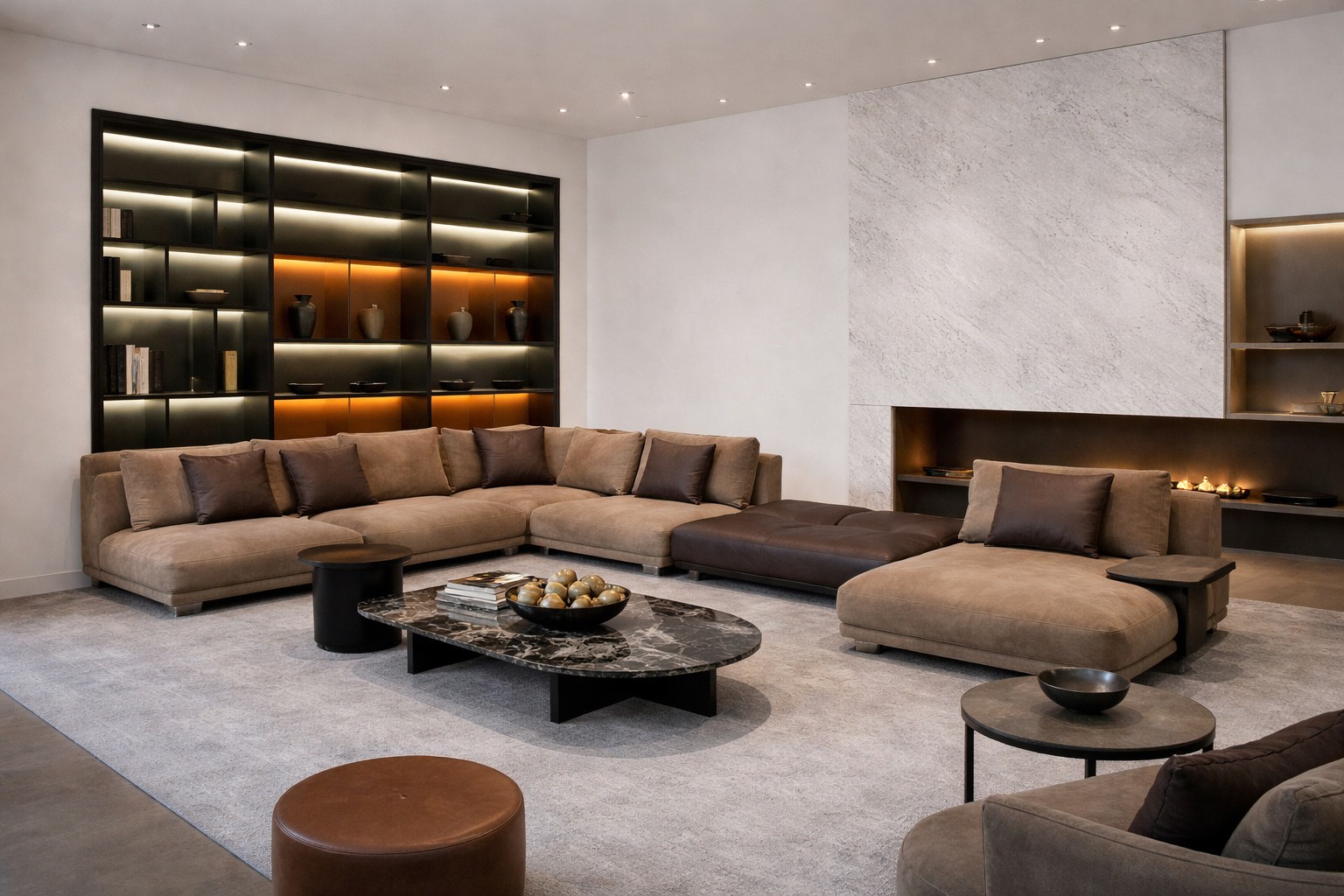
6. Comfort That’s Invisible
Comfort in 2026 is sophisticated and discreet. Buyers reject anything that looks overstuffed or technical. The ideal balance:
• Supportive seating with relaxed posture
• Softness without collapse
• Ergonomics that don’t announce themselves …If it looks comfortable, it’s already trying too hard.
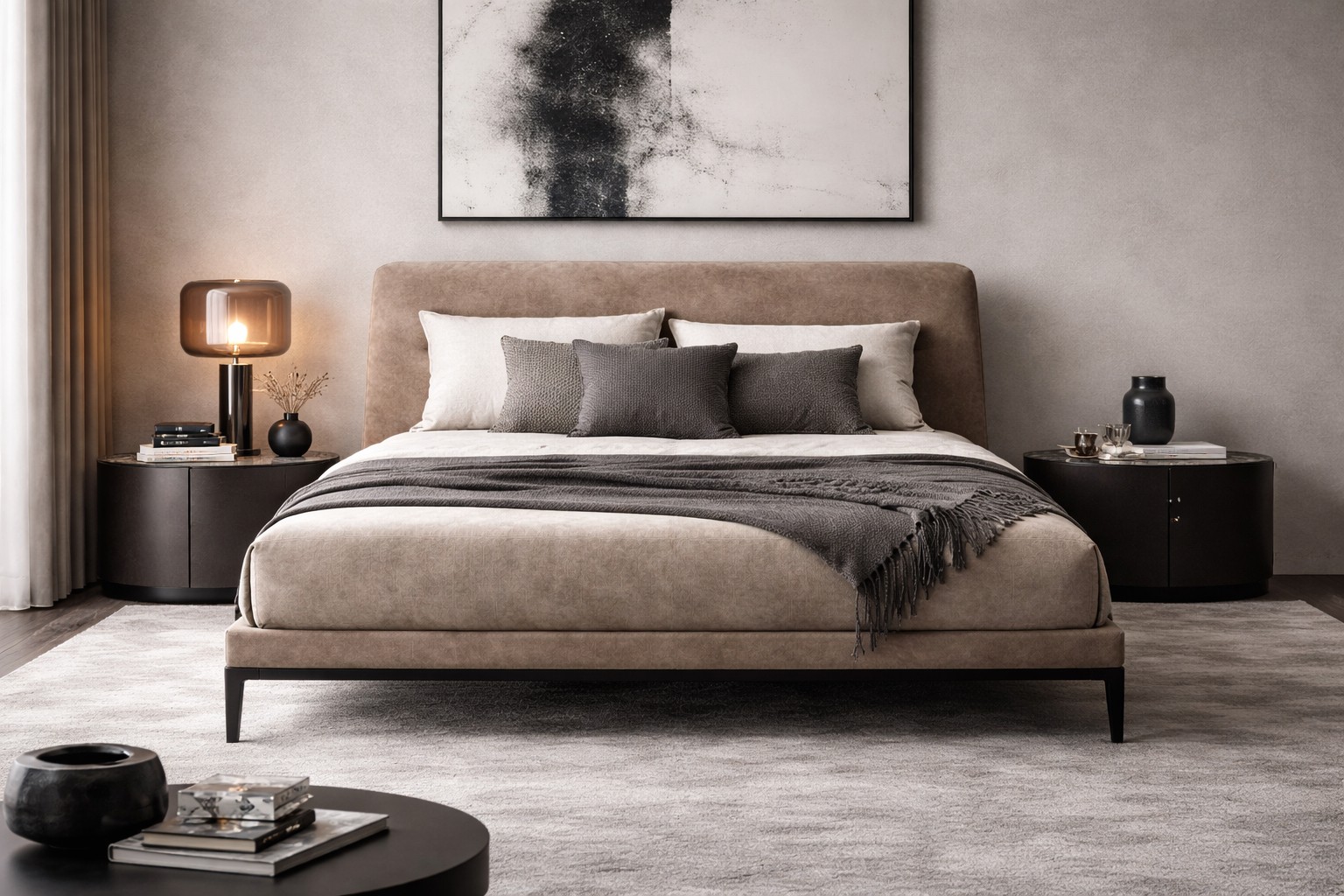
7. Lifestyle Alignment Over Status
More than ever, buyers ask: Does this fit my life? Luxury furniture must align with:
• How they entertain
• How they rest
• How they move through space
Homes in 2026 are personal sanctuaries—furniture must support living beautifully, not impressing guests.
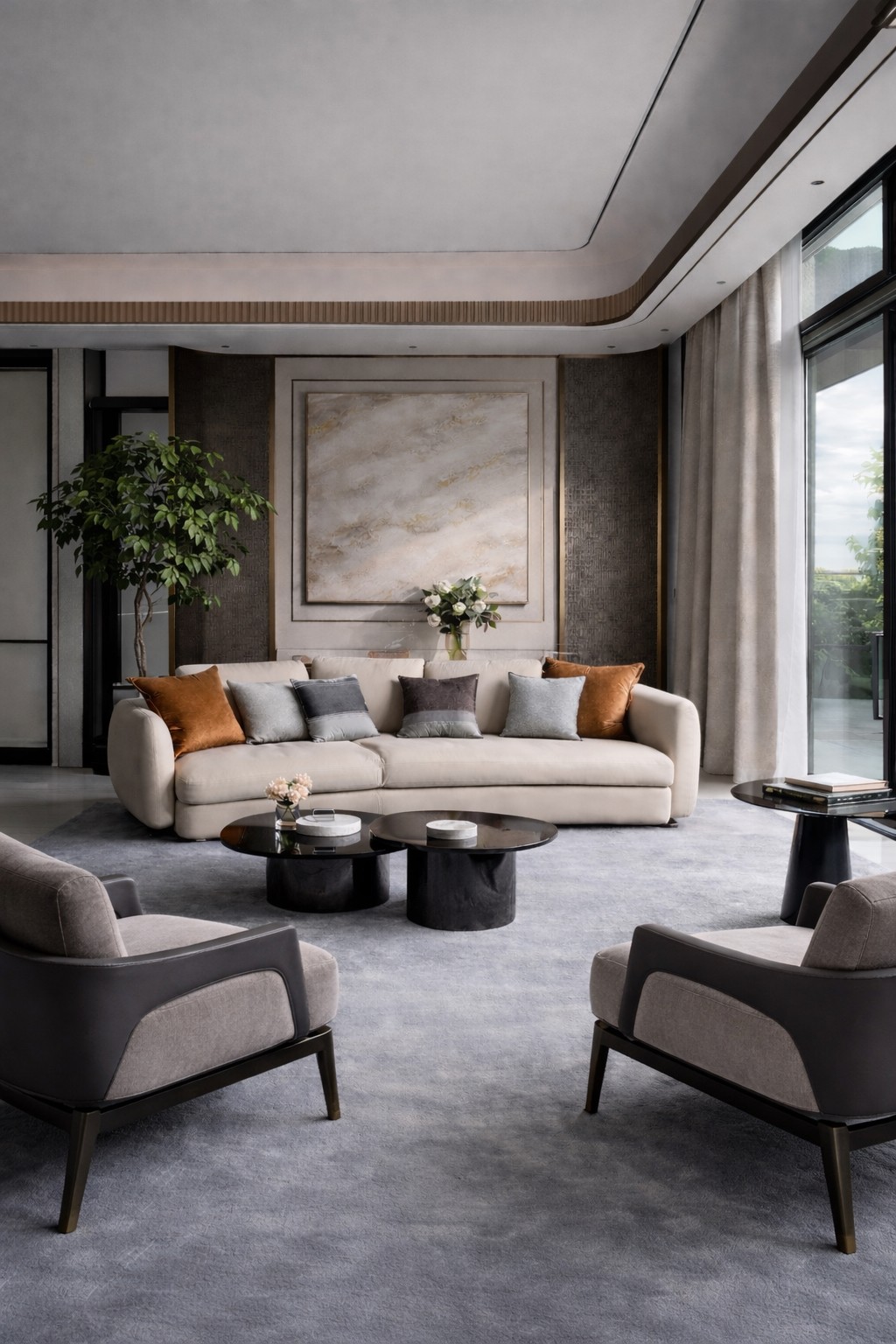
Final Thought: Luxury Is Emotional Intelligence. In 2026, luxury furniture is less about making a statement and more about creating a state of mind. Buyers are drawn to pieces that feel calm, grounded, and intentional—objects that age well, both visually and emotionally.
“The future of luxury furniture isn’t louder, faster, or trendier… It’s quieter, smarter, and deeply human.”